Campaign for a Democratic Parliament
| ||
 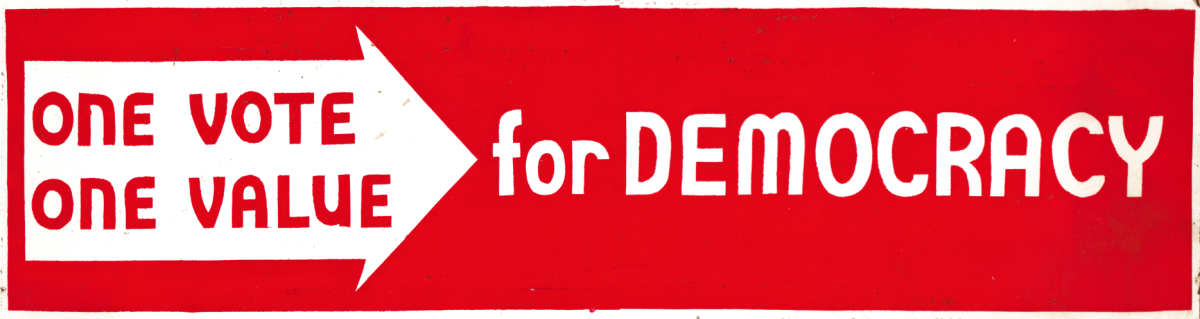 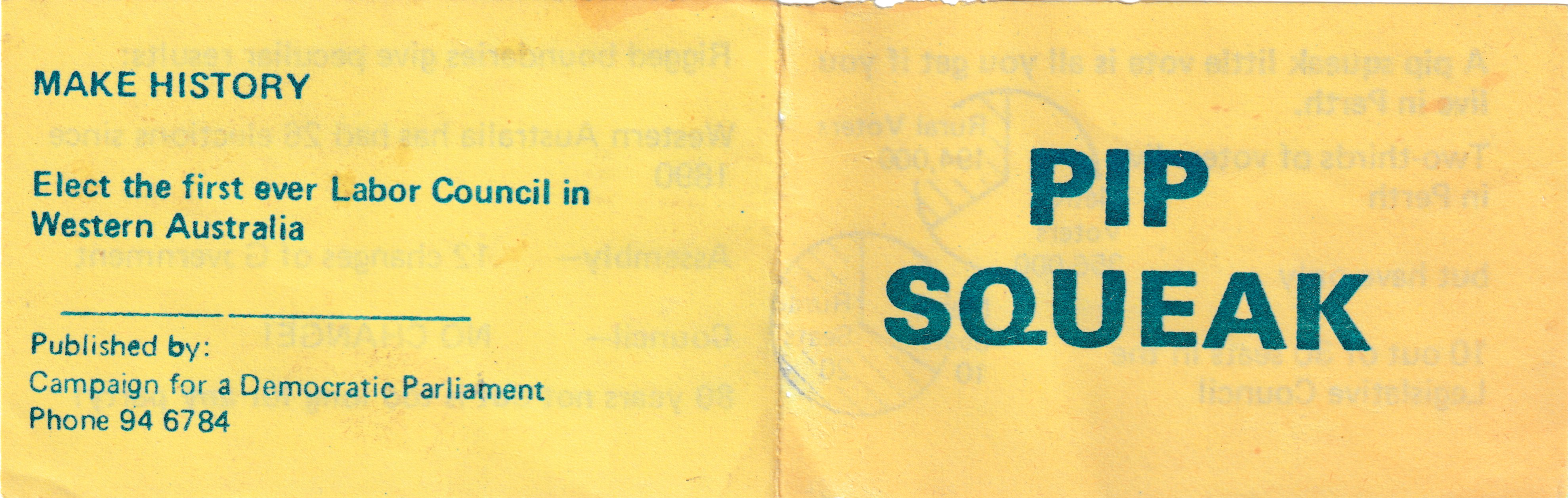 outside outside
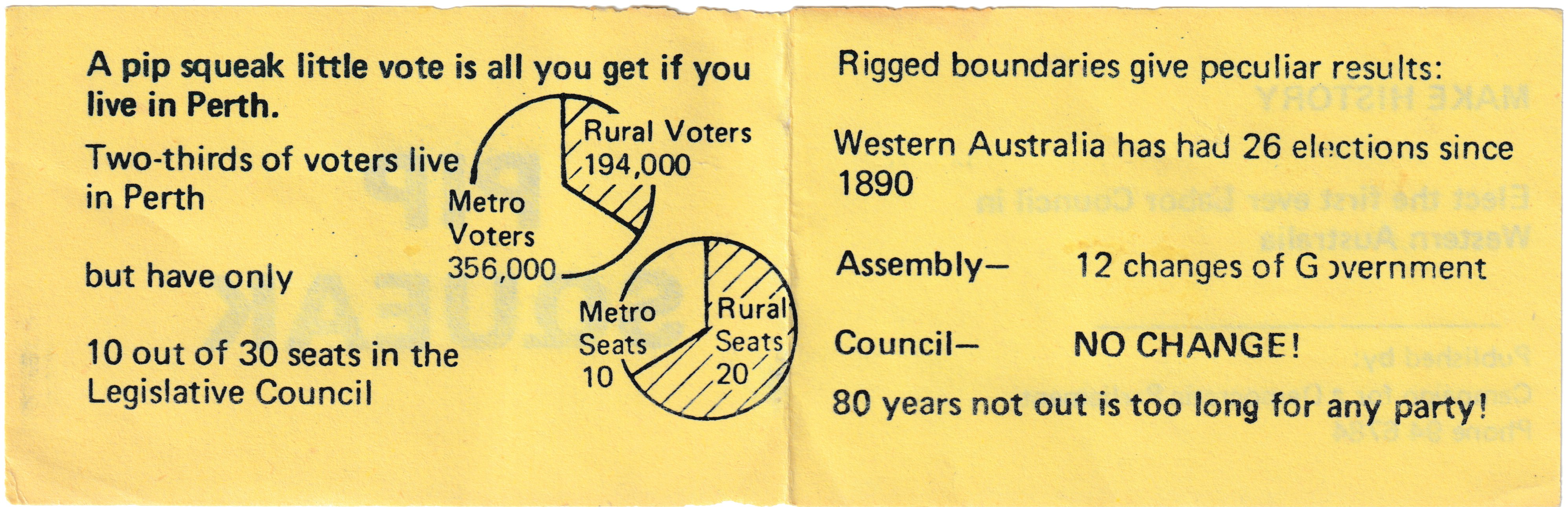 inside inside
| ||
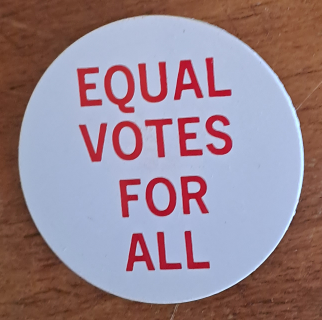 Lapel badge |
Vote weighting effectsVote weighting in favour of people in rural areas means that on every issue before Parliament, not just rural or remote issues, these electors have more say. Thus decisions about issues like law reform, health, education, planning, community safety which affect the whole State are biased by these weighted votes. This is unfair and distorts the democratic process. Other groups that may deserve special treatment are left out. What about people on low incomes, or disabled people, or people with language difficulties, etc? The case for better rural policy and natural resource management should be debated on merit, not rely on electoral manipulation. Good policy comes out of open and inclusive debate. Everyone should feel they are part of decisions, taken on a fair vote. They will then be much more inclined to support the result. People express different voting choices in different regions and this creates political bias where there are large imbalances in enrolments. |
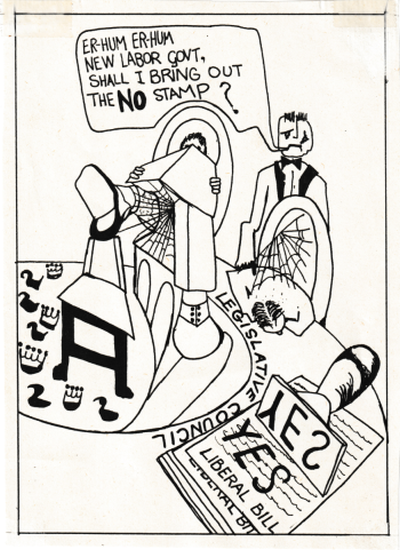 Tony Jones |
|
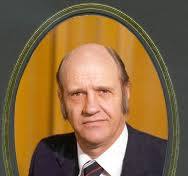
After a couple of year's activity the reality slowly became clear. The ALP and its MPs did not yet see the significance of malapportionment. The Party seemed content to accept permanent control of the Legislative Council by the conservative side of politics, fearfull of voter anger outside of Perth. This was difficult to acknowledge in the CDP. Eventually Marcelle Anderson who was already involved in both the ALP and CDP moved to establish a committe within the ALP to further the electoral reform agenda. This was achieved and launched a different battle. ALP Electoral Reform CommitteeA memorable event saw Hon Kay Hallahan dressed in Queen Victoria costume proceeding in a horse drawn carriage down a suburban street in Armadale where electors on either side got MPs in a ratio of 2 or 3 :1. Electoral Reform Committee members produced and distributed a booklet and toured ALP Branches and Electorate Councils with a slide show talk which generated a steady stream of items calling for electoral reform action, yet, nothing happened. In an historic action the members of the ALP Electoral Reform Committee trawled through the previous 5 years of resolutions by the State Executive on the topic. A report on this research was presented to the State Executive where promises were made to take action. Disappointingly, at the 1980 State election Opposion Leader Ron Davies failed to include a promised commitment to electoral reform in the platform. This disappointment caused activity by the CDP to fade. Hon Arthur TonkinHon Arthur Tonkin maintained his efforts which lead to a promise of electoral reform for the successful 1983 State election. Tonkin became the first Minister for Parliamentary and Electoral Reform and embarked on a program which began with consolidating and standardising Commonwealth, State and Local Government electoral roles. Further attempts at reform prior to 1986 were defeated in the Legislative Council where malapportionment consistently maintained the Liberal/National Parties' majority. | ||
 Letterhead 1984 | ||
| Return to the top of this page. | Built using HTML-Kit | Hosted by  |
Web page created by Graham Hawkes. |